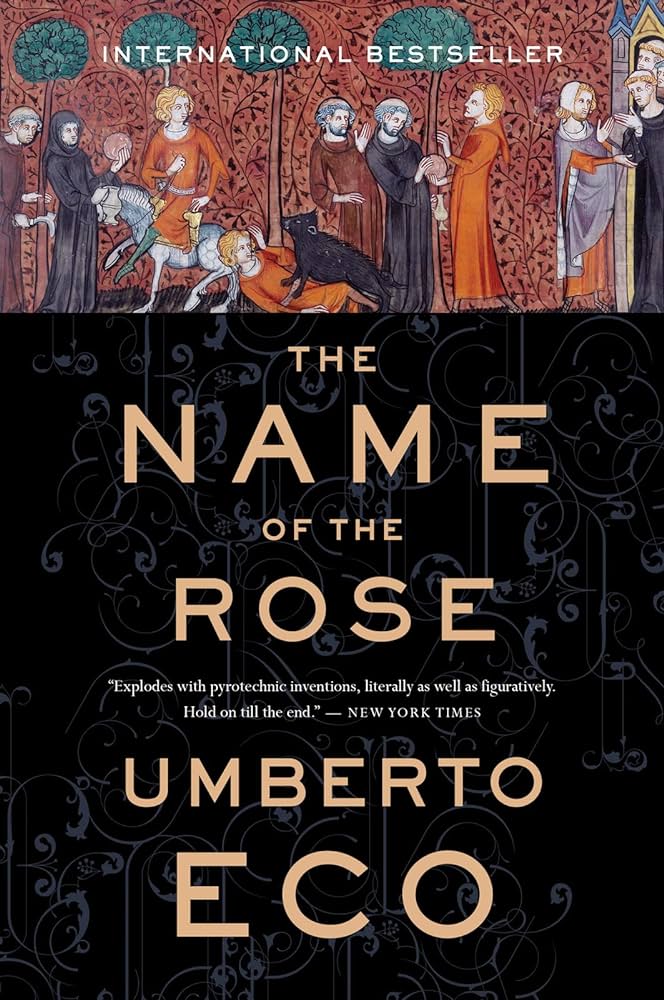
Umberto Eco’s The Name of the Rose is a literary phenomenon with a mysterious cultural appeal. How did this philosophically dense, 500+ page novel about medieval monks sell fifty million copies? We would need a detective as skilled as the novel’s protagonist, William of Baskerville, to solve the mystery.
Category Archives: Uncategorized
Between Satire and Tragedy: Troilus and Cressida
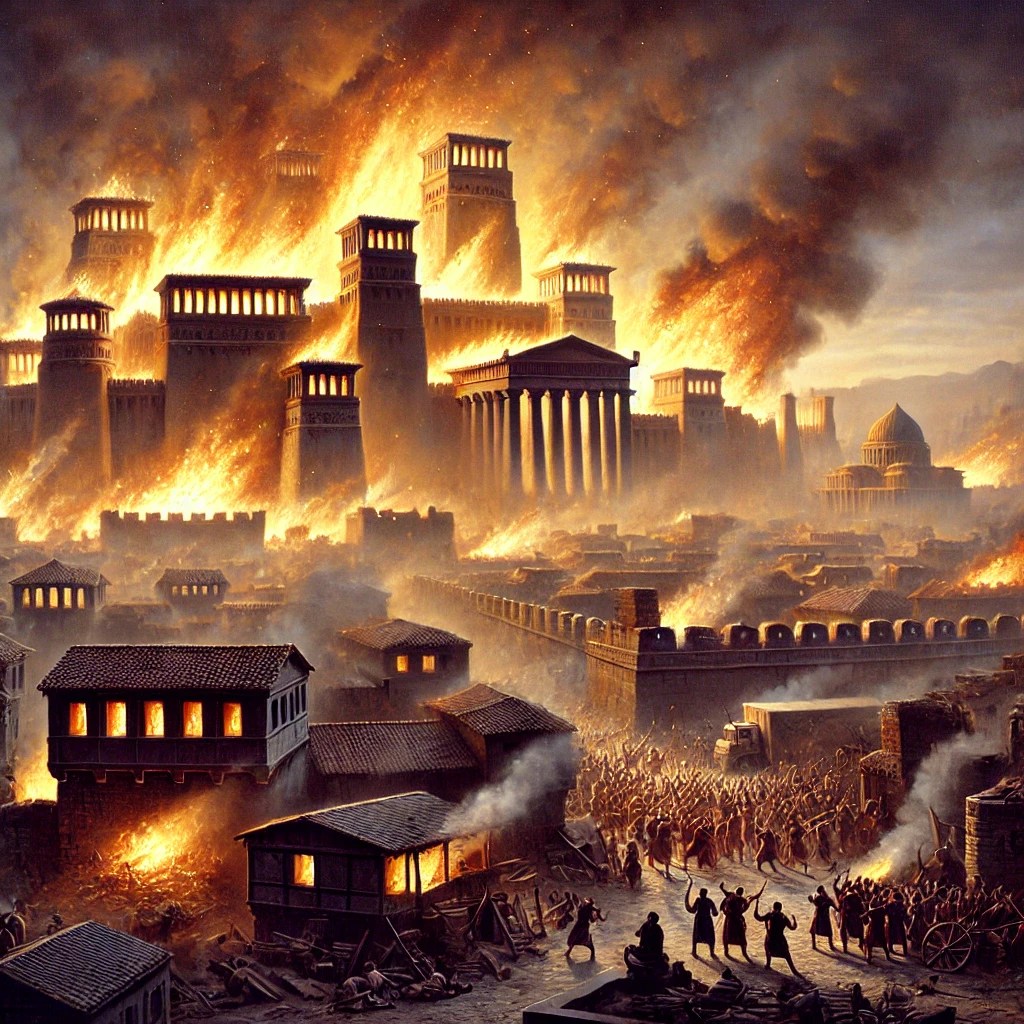
In Troilus and Cressida (1602), Shakespeare presents familiar characters in an unfamiliar way. This problem play takes Homer’s epic heroes–Achilles, Ajax, Hector, Ulysses–and represents them as a pale simulacrum of their reputations. The main plot, the failed love story between Troilus and Cressida, reinforces this satirical presentation of pagan heroism.
The Cynical Spy Out in the Ethical Cold

By exploring a world where deception is currency and loyalty is a luxury, The Spy Who Came In From the Cold forces us to confront uncomfortable truths about morality in the face of global conflict. Sixty years after its publication, the novel retains its power.
Problematic Grace, Problematic Mercy

Measure for Measure presents a disconcerting picture of human-manufactured grace and mercy.
All’s Well That Ends Well: Shakespearean Comedic Providence and Redemption
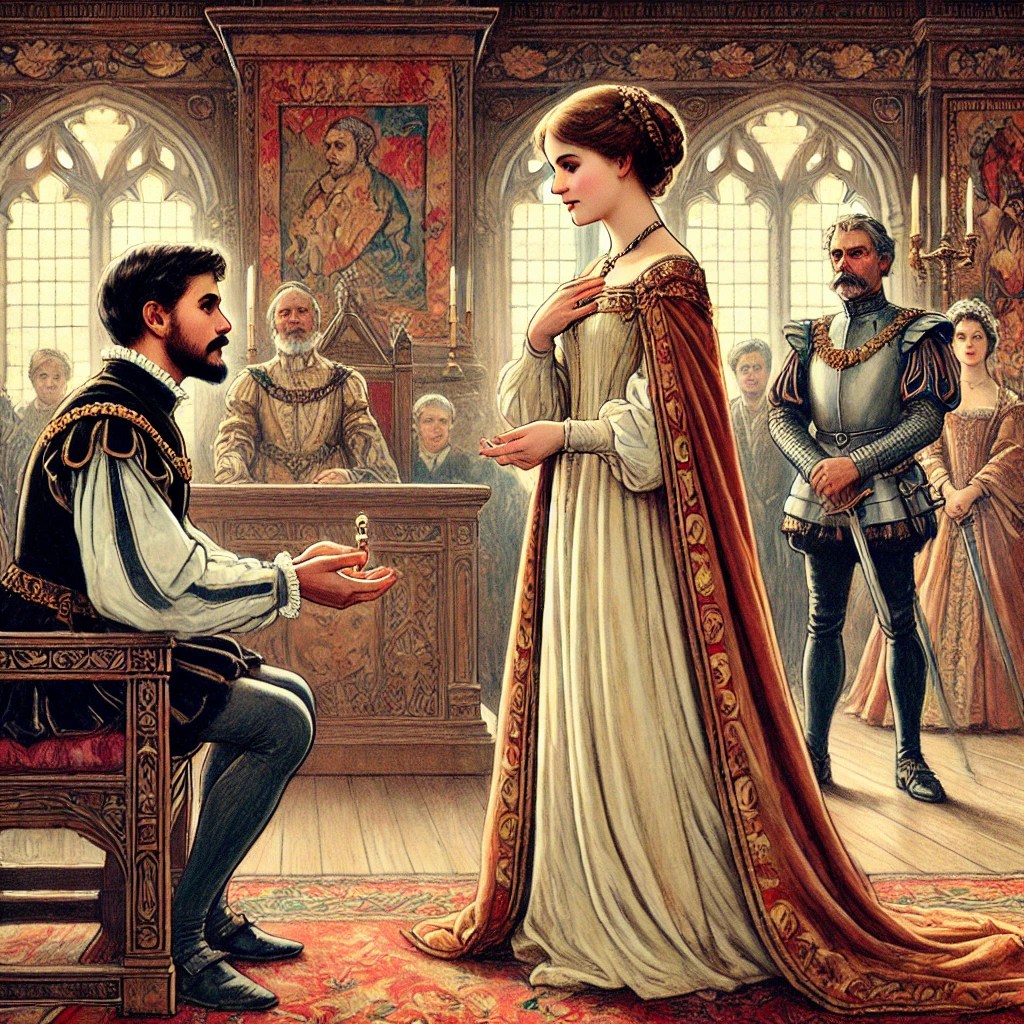
Shakespeare’s ‘All’s Well That Ends Well’ is a masterful exploration of divine providence working through human affairs.
Persuasive Judgment in Jane Austen’s Persuasion
Jane Austen’s novel Persuasion explores the relationship between judgment–the capacity to form opinions based on reason, understanding, and intuition–and persuasion, convincing others to consider or accept one’s point of view. Austen takes a fairy-tale structure–the forsaken daughter who finds love–and imbues it with persuasive pathos by complementing the plot with irony-tinged commentary on a smallContinue reading “Persuasive Judgment in Jane Austen’s Persuasion”
Judgment in The Tempest
Shakespeare’s final play, The Tempest, revisits the same motifs of judgment and punishment present in his tragedies. However, he depicts them in a redemptive rather than vindictive light. Through characters such as Prospero, Ariel, Caliban, and Ferdinand, Shakespeare connects judgment with responsibility and the play’s ethical presuppositions with the willingness to forgive. The character ProsperoContinue reading “Judgment in The Tempest”
By What Standard? Judgment in Frankenstein
Mary Shelley’s Frankenstein, or the Modern Prometheus asks readers to wrestle with perplexing questions about the nature of monstrosity and justice. These are ethical concerns. Who gets to say that the monster is more or less monstrous than the man who made him? Is it Frankenstein or his creation that is the novel’s true hero?Continue reading “By What Standard? Judgment in Frankenstein”
Seeds of Sin and Salvation: The Biblical Resonances of Plant Imagery in Macbeth
A lesser-explored element of Macbeth’s imagery, plants are a recurring motif in Shakespeare’s tragedy. Viewed through a biblical lens, the play’s flowers and forests are metaphors for growth, deception, power, destiny, and downfall. The first mention of seeds and plants in the play comes from Banquo who connects them with the witches. He says, “IfContinue reading “Seeds of Sin and Salvation: The Biblical Resonances of Plant Imagery in Macbeth”
Three Sources of Literary Power
I talked with an English prof friend of mine today about The Lord of the Rings. I’m reading it again though it’s not my thing because I know it resonates with devoted readers in general and Christian readers in particular. As someone who cares about readers (i.e. people) more than books, I am interested inContinue reading “Three Sources of Literary Power”
 Experiments in Criticism